Your complete guide to Nepal — culture, travel, history, nature and regular updates. Everything you need to know about the world's most extraordinary country.
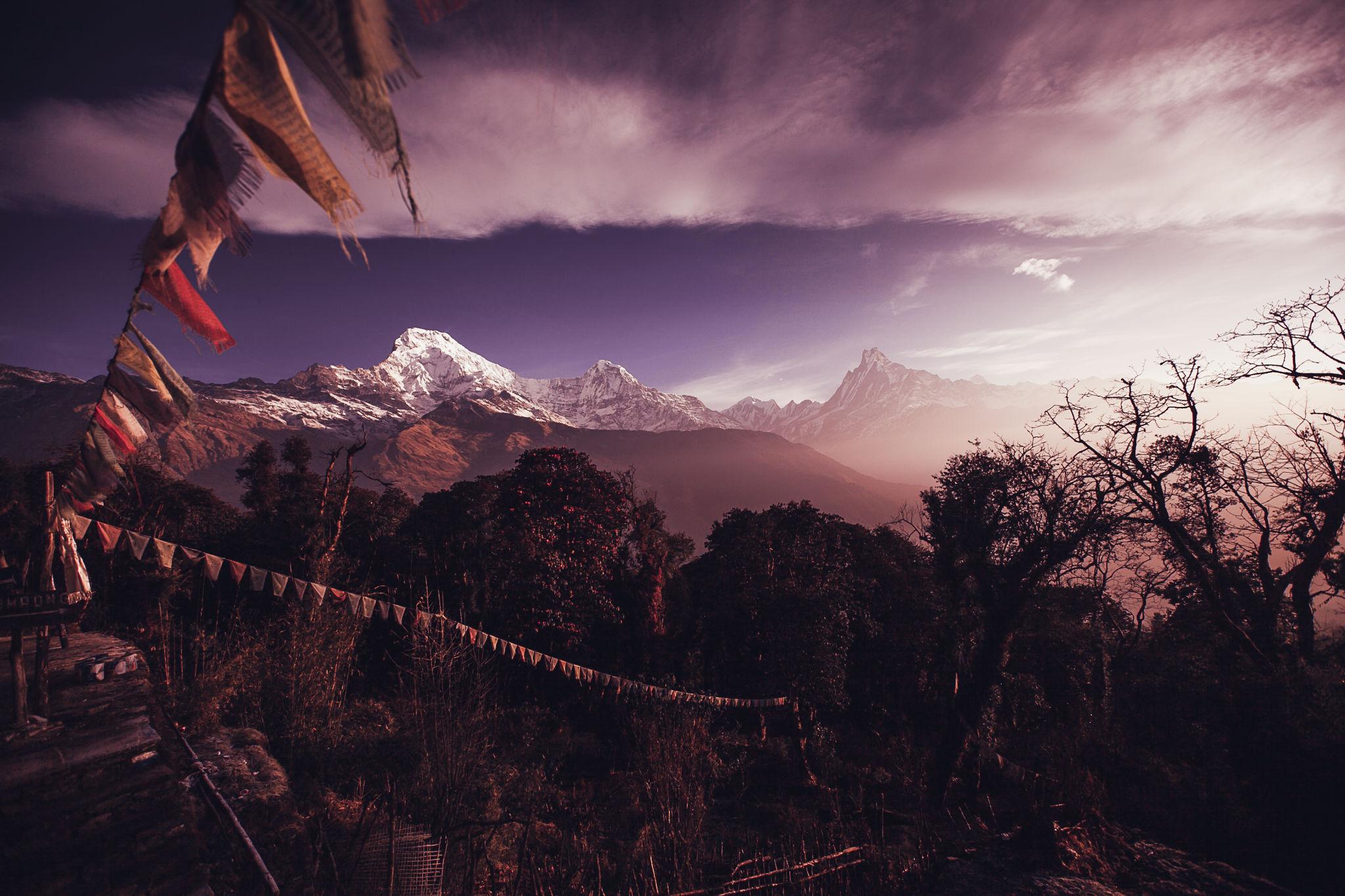
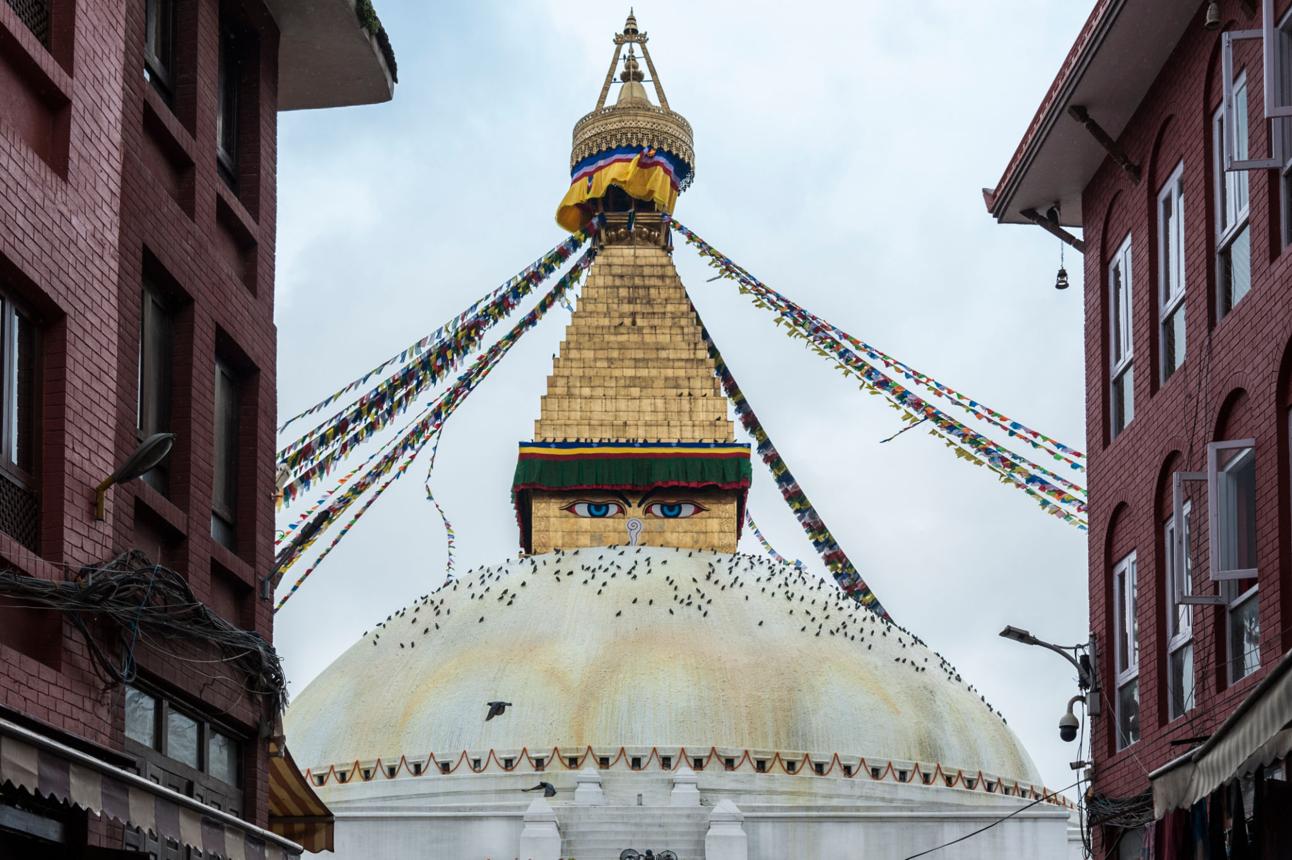
A small, landlocked country nestled between India and China, Nepal punches far above its weight — it is home to eight of the world's ten tallest mountains, the birthplace of the Buddha, and one of the most biodiverse nations on Earth.
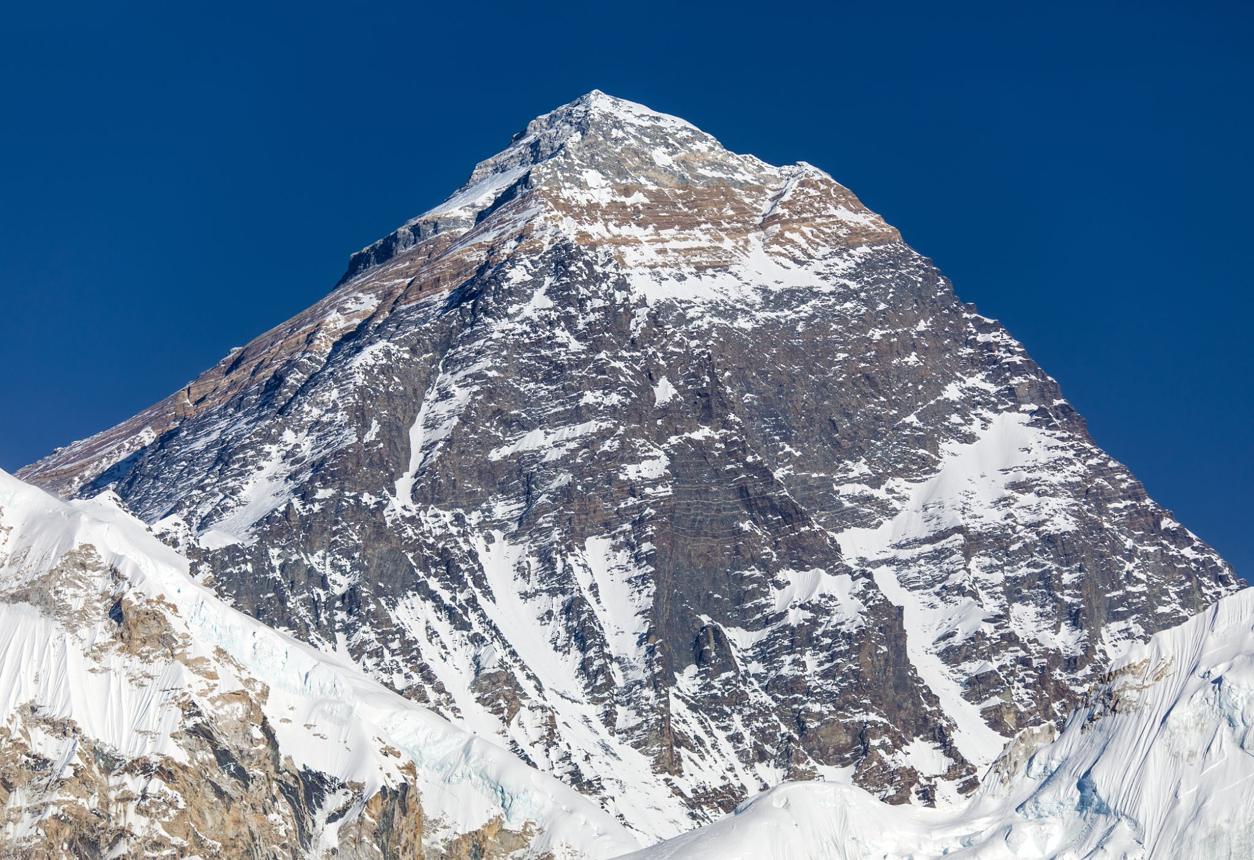
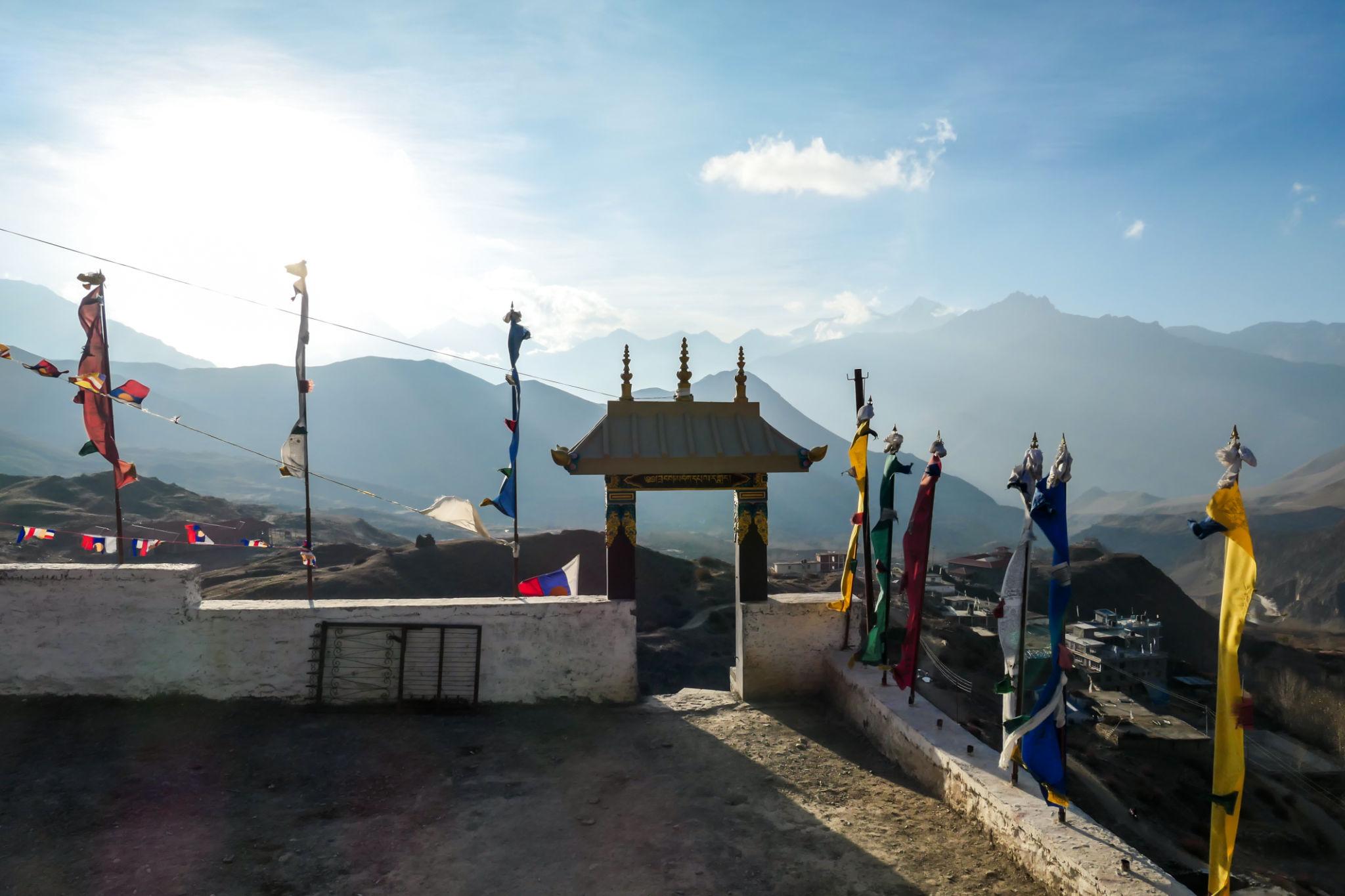
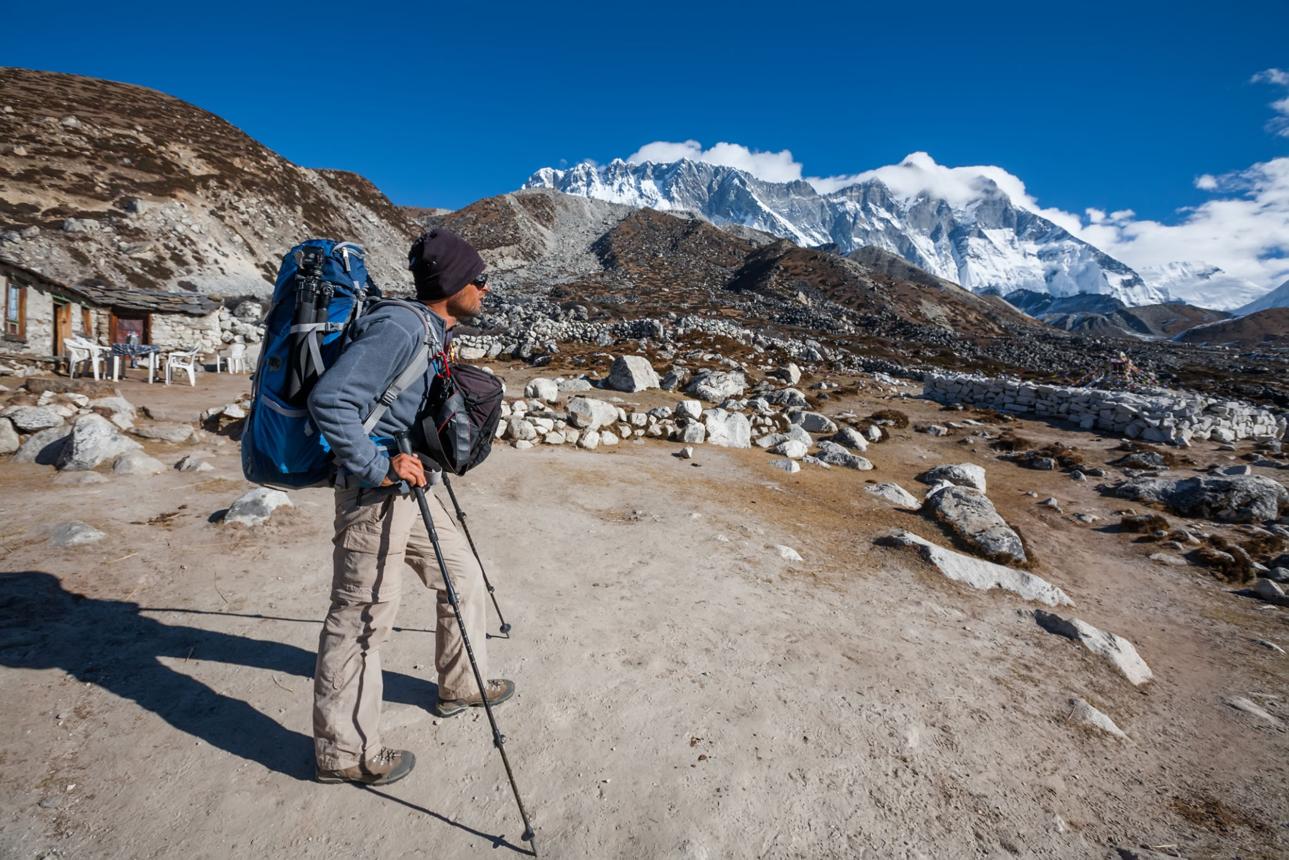
Nepal spans just 147,181 km² but covers an extraordinary range of elevation — from the Terai plains at 70m to Everest at 8,849m. It is divided into three geographic zones:
Nepal became a federal democratic republic in 2008, ending a 240-year monarchy. Today it has:
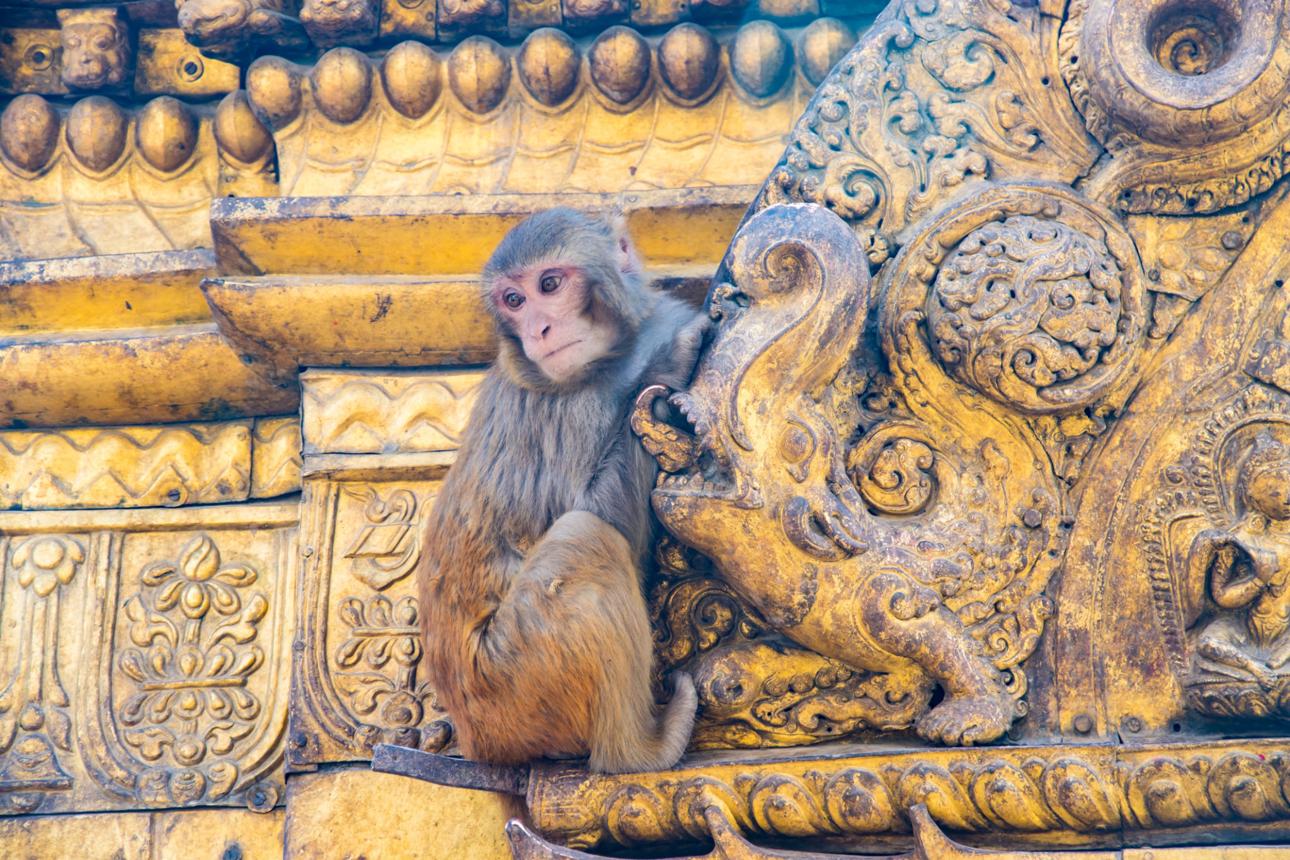
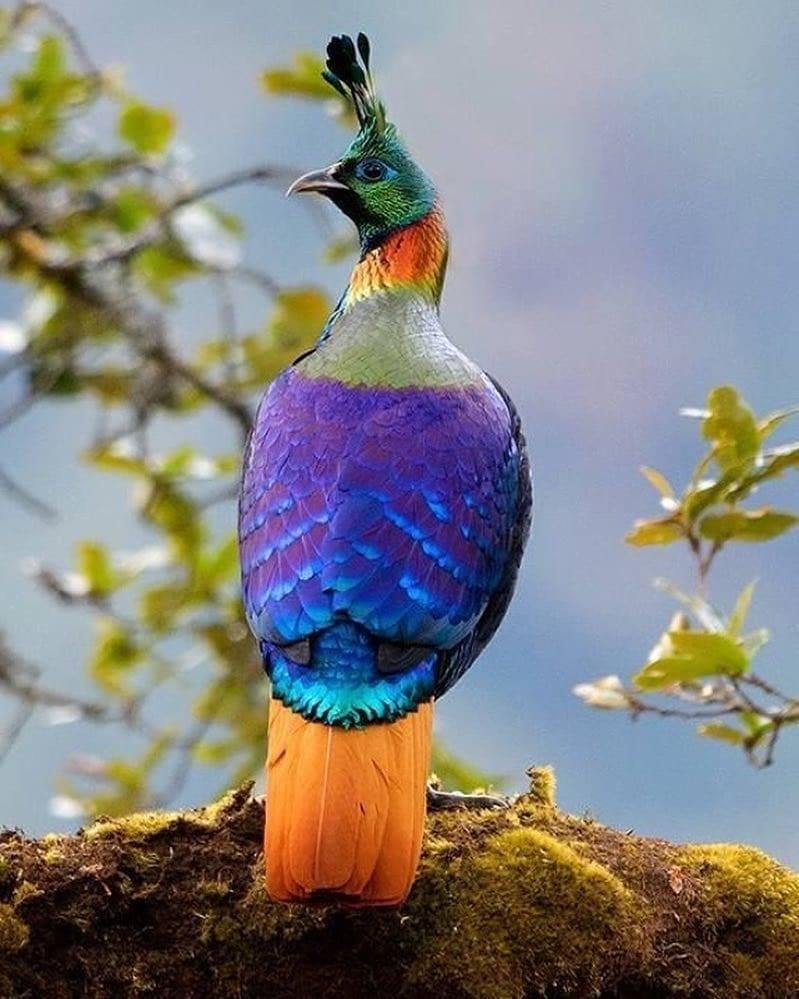
Nepal is one of the world's top biodiversity hotspots, home to:
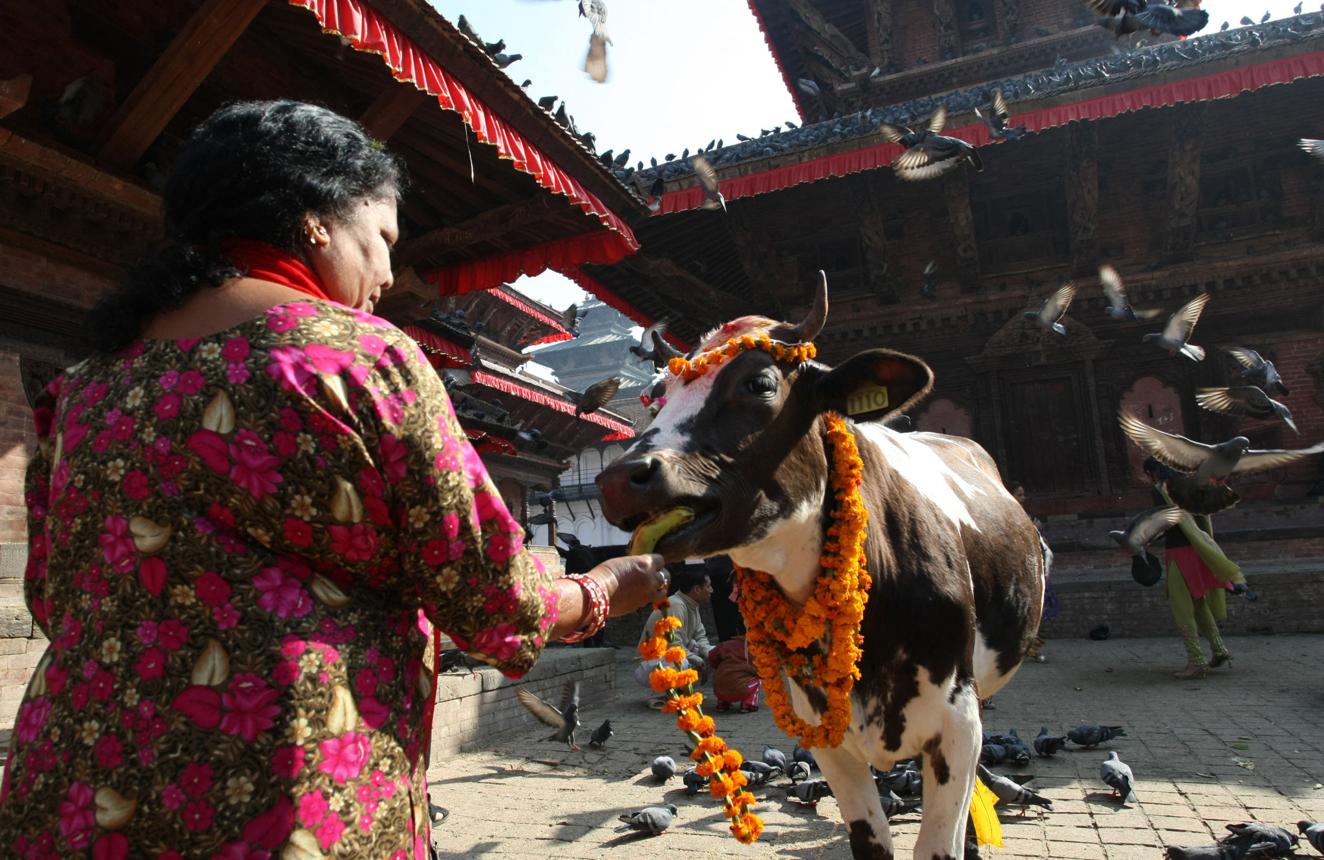
Nepal is remarkably diverse, with over 125 ethnic groups and 123 languages. Key facts:
Siddhartha Gautama is born in Lumbini in the southern Terai — a site of pilgrimage for 500 million Buddhists worldwide.
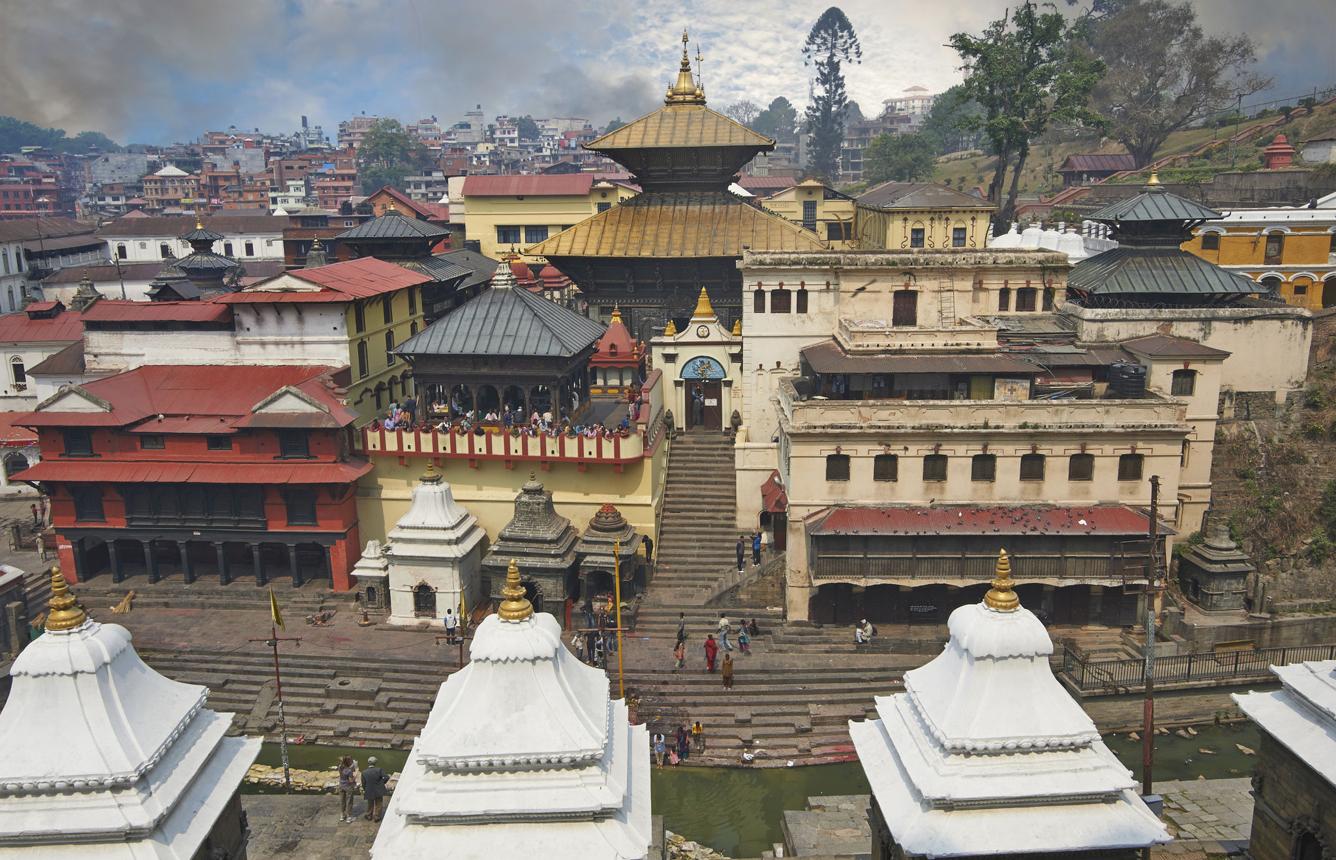
The Malla kings rule the Kathmandu Valley, creating the magnificent temples, palaces and art that define Kathmandu, Patan and Bhaktapur today.
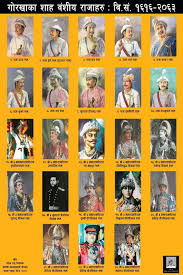
Prithvi Narayan Shah, king of Gorkha, conquers the Kathmandu Valley and unifies Nepal — the country is never colonised.
Tenzing Norgay Sherpa and Sir Edmund Hillary become the first people to reach the summit of Mount Everest on May 29th.
A decade-long armed conflict between the government and Maoist insurgents claims 17,000 lives before a peace deal is reached.
Nepal abolishes its 240-year-old monarchy and becomes a federal democratic republic, ending the Shah dynasty.
A 7.8 magnitude earthquake kills nearly 9,000 people and destroys historic sites across Kathmandu Valley. Nepal rebuilds remarkably fast.
We welcome questions about Nepal, photo submissions, article pitches, corrections and collaboration ideas. Every message is read and replied to personally.
Fill in the form and we'll get back to you as quickly as possible.