Knowledge Resource About Nepal
Ancient kings, modern revolutions, and breathtaking places — everything about the land where Earth touches the sky.
Three chapters of a nation that will leave you in awe
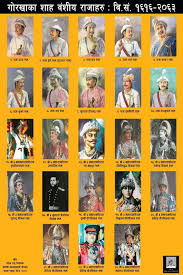
From Prithvi Narayan Shah who unified Nepal in 1768, to the last king Gyanendra in 2008 — 240 years of royal legacy, wars, democracy movements and a dynasty that changed forever.
Read Full History →
In September 2025, Nepal's youth toppled a government in 5 days. A social media ban, 75+ deaths, parliament on fire, and a PM resignation — the most dramatic political event in modern Nepal.
Read Full Story →
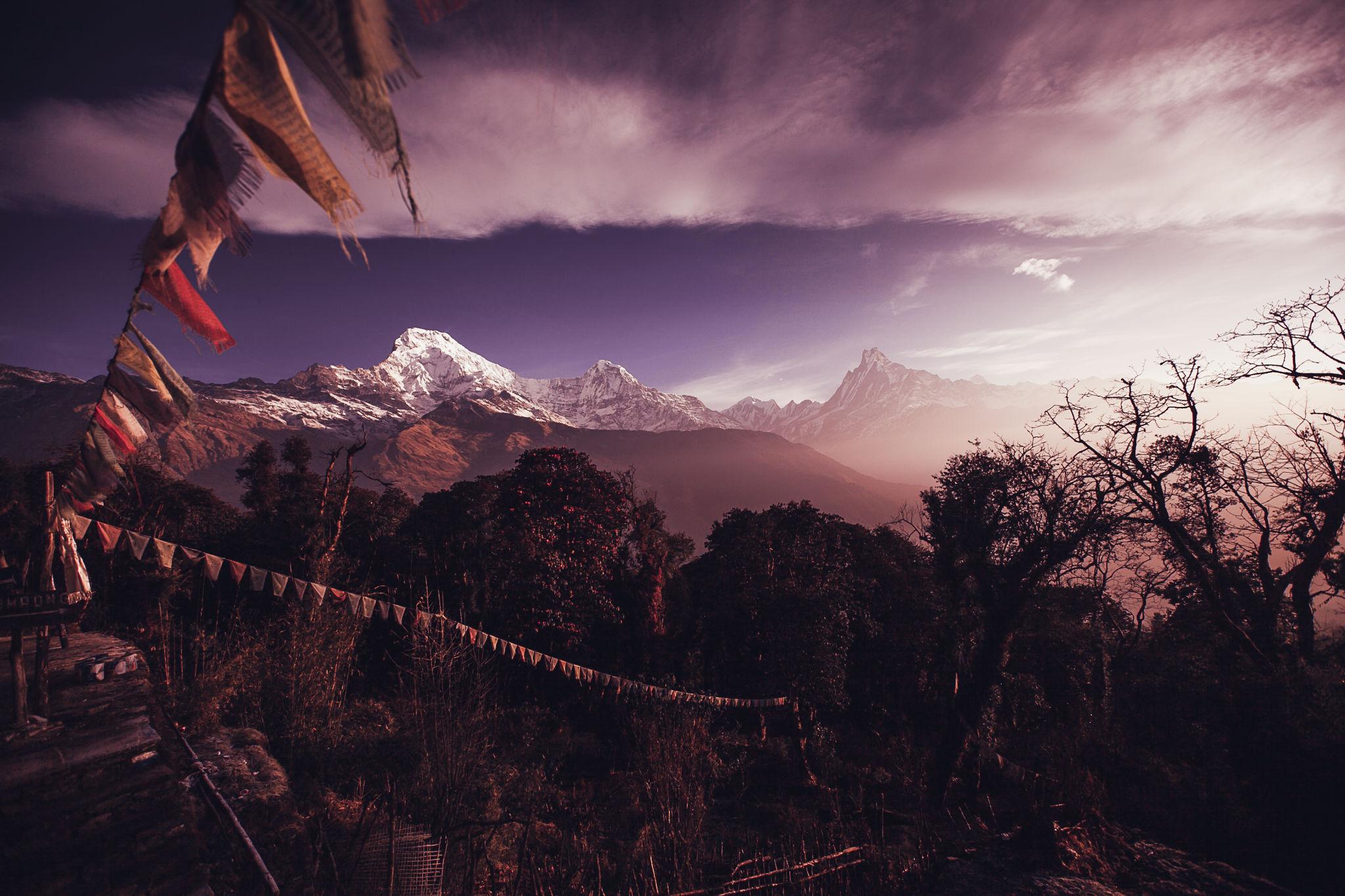
Everest Base Camp, Pokhara, Chitwan, Lumbini, Bhaktapur — Nepal packs 8 of the world's highest peaks, ancient temples, and jungle wildlife into one incredible destination.
Explore Places →Fresh Off the Press
The latest from MystifyNepal — trip reports, new routes, and things worth knowing.
Loading posts...
History & Legacy
The Shah dynasty ruled from 1768 to 2008. Their 240-year reign shaped Nepal's culture, religion, borders and identity as the only Hindu kingdom never colonized by foreign powers.
Unified 50+ kingdoms into one sovereign Nepal. His vision created the nation that was never colonized. Greatest king in Nepali history.
Ascended at age 2. Turbulent reign marked by exile in India and early conflicts with British India. Nepal's borders were shaped during this era.
Nepal lost the Anglo-Nepalese War (1814–16) and signed the Sugauli Treaty — ceding one-third of territory to British East India Company. Modern borders set.
Jung Bahadur Rana seized power in 1846. Hereditary prime ministers ruled Nepal for 104 years while Shah kings remained ceremonial figureheads.
Escaped to India, returned to end Rana rule. Introduced democracy to Nepal for the first time. National hero revered across all generations.
Built Nepal's roads and infrastructure. Introduced the Panchayat system. Kept Nepal independent between India and China during the Cold War era.
Widely beloved. Accepted constitutional monarchy in 1990. Proposed Nepal as a "Zone of Peace." Killed with most of the royal family in the 2001 massacre.
Shot the royal family then himself. Declared king while in a coma. Died after 3 days — the shortest, most tragic reign in Nepal's history.
Final king of Nepal. Direct rule attempt triggered Jana Andolan II. On May 28, 2008, the Constituent Assembly abolished the monarchy permanently.
The Shah dynasty begins. A small hill kingdom that will become the seed of modern Nepal.
Kathmandu Valley unified. Nepal as a nation is born — and will never be colonized.
After the Anglo-Nepalese War, modern Nepal's borders are permanently set.
Hereditary Rana prime ministers hold real power for 104 years.
Democracy arrives in Nepal for the first time. A new era begins.
Mass protests force King Birendra to accept a new constitution and multiparty democracy.
Crown Prince Dipendra kills King Birendra and the royal family. Nepal mourns.
The 240-year Shah dynasty ends. Nepal becomes a Federal Democratic Republic.
Before the Borders Shrank
At its largest, Nepal stretched far beyond its current borders — until a war with the British East India Company changed everything in 1816.
Illustrative diagram, not to exact geographic scale.
Rapid Gorkha expansion brought Nepal into direct conflict with the British East India Company along its western frontier.
Nepal ceded roughly one-third of its territory, including the Kumaon and Garhwal hill regions in the west and areas near Sikkim and Darjeeling in the east.
What remained became the Nepal recognized on maps today — still never colonized, but significantly smaller than its early 1800s peak.
Certain border areas, such as Kalapani and Susta, remain the subject of ongoing boundary discussions between Nepal and India.
Breaking History · September 2025
How Nepal's youth toppled a government, set parliament on fire, and changed the course of a nation — in just 5 days.
Seventy-six people did not come home during those days in September 2025 — students, protesters, police officers, and others caught in the chaos. Many were young, some still in school uniform. Nepal held a national day of mourning for them on September 17, 2025, and in November 2025, forty-five of those who died were officially declared martyrs by the state.
We choose not to publish individual names or photographs here — many of the fallen were minors, and their families deserve to control how their loss is remembered. What we can do is make sure their sacrifice is never reduced to just a number in a headline.
On Sep 4, 2025, the government banned 26 platforms including Facebook, YouTube, WhatsApp, X, Instagram and Signal. For Gen Z, this was a direct attack on freedom of expression.
The viral #NepoKids campaign exposed how political power was passed between elite families. Years of unemployment, economic failure, and broken promises had been building to boiling point.
Youth bypassed the ban using VPNs, Discord servers, and QR code flyers on walls. The movement was entirely leaderless — coordinated through smartphones and digital platforms.
After police killed 19 protesters on Sep 8 — including a 12-year-old — millions flooded streets on Sep 9. Parliament building and government offices were set ablaze. PM Oli resigned.
Sushila Karki became Nepal's first woman head of government as interim PM — a historic milestone born directly from the revolution's demand for new, accountable leadership.
New elections called for 2026. Balen Shah — popular Kathmandu mayor and rapper — emerged as a symbol of a new Nepal. The old political order was permanently shattered.
Government bans 26 platforms. #FreeTheNetNepal goes viral. Youth organize through VPNs and Discord servers.
Tens of thousands march peacefully near Parliament. Police fire live ammunition. Deadliest day in Nepal's democratic history.
Millions flood streets. Parliament building set on fire. Social media ban lifted same evening. Government collapses.
Tribhuvan Airport closed. Nationwide curfew. Protests wind down. Political damage is permanent and irreversible.
Interim government formed. House dissolved. New elections announced. Nepal begins a new democratic chapter.
Travel & Tourism
From the world's highest peaks to ancient temples and jungle safaris — the destinations every traveller must experience in the Himalayas.
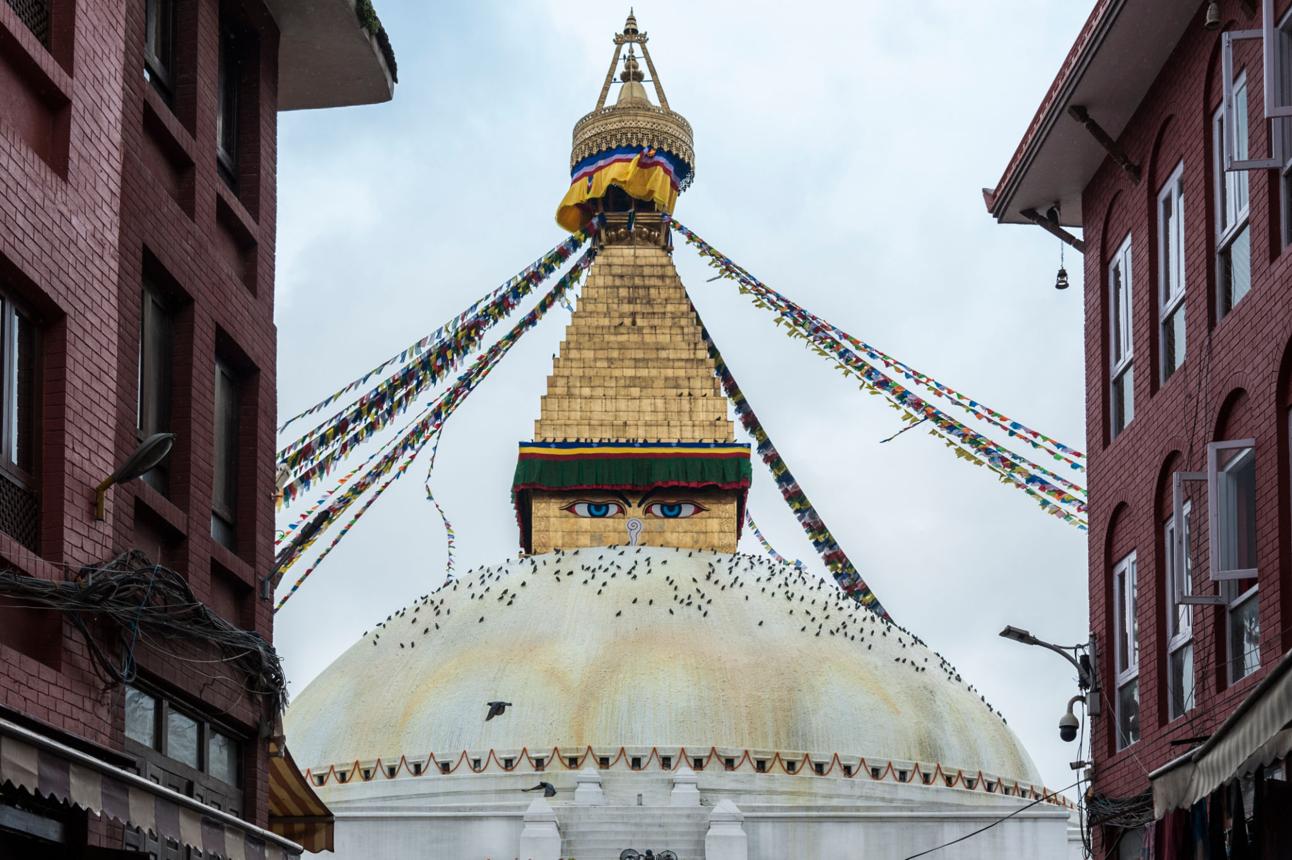
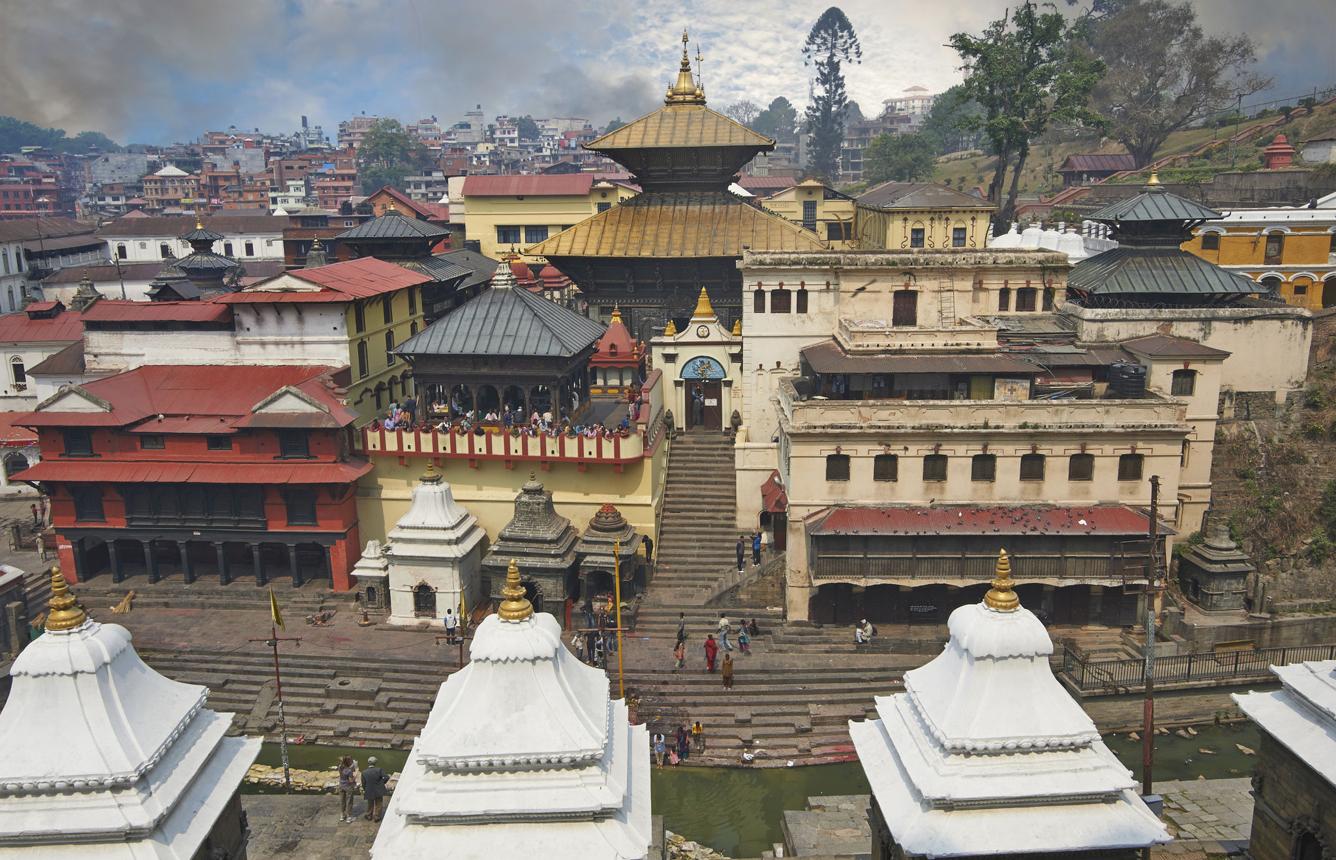
Nepal's capital is a living museum of temples, pagodas and culture. Pashupatinath, Boudhanath Stupa, Durbar Square and the Monkey Temple are iconic must-sees.
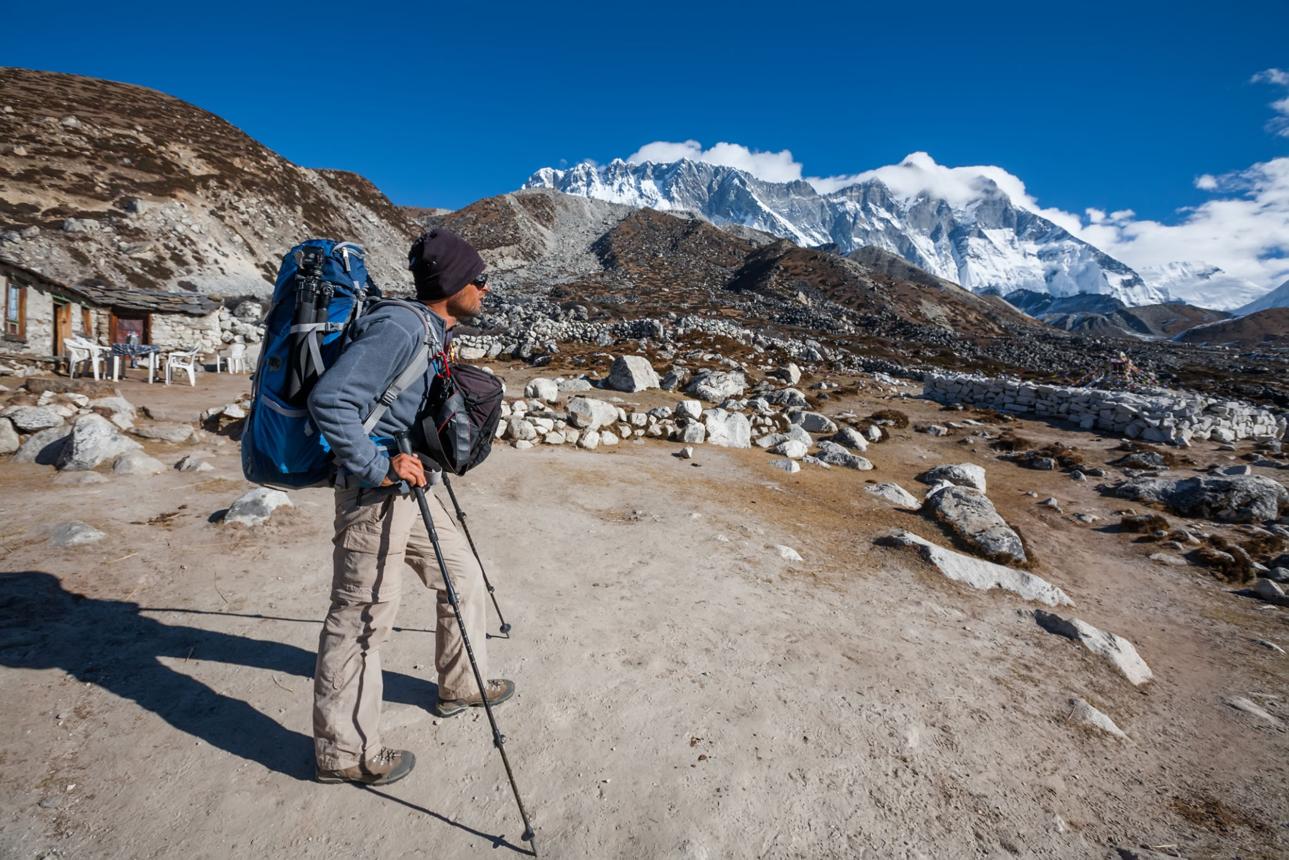
The world's most famous trek. 12–14 days from Lukla to 5,364m. Sherpa villages, glaciers, and Namche Bazaar — the world's highest marketplace. Views that change your life.
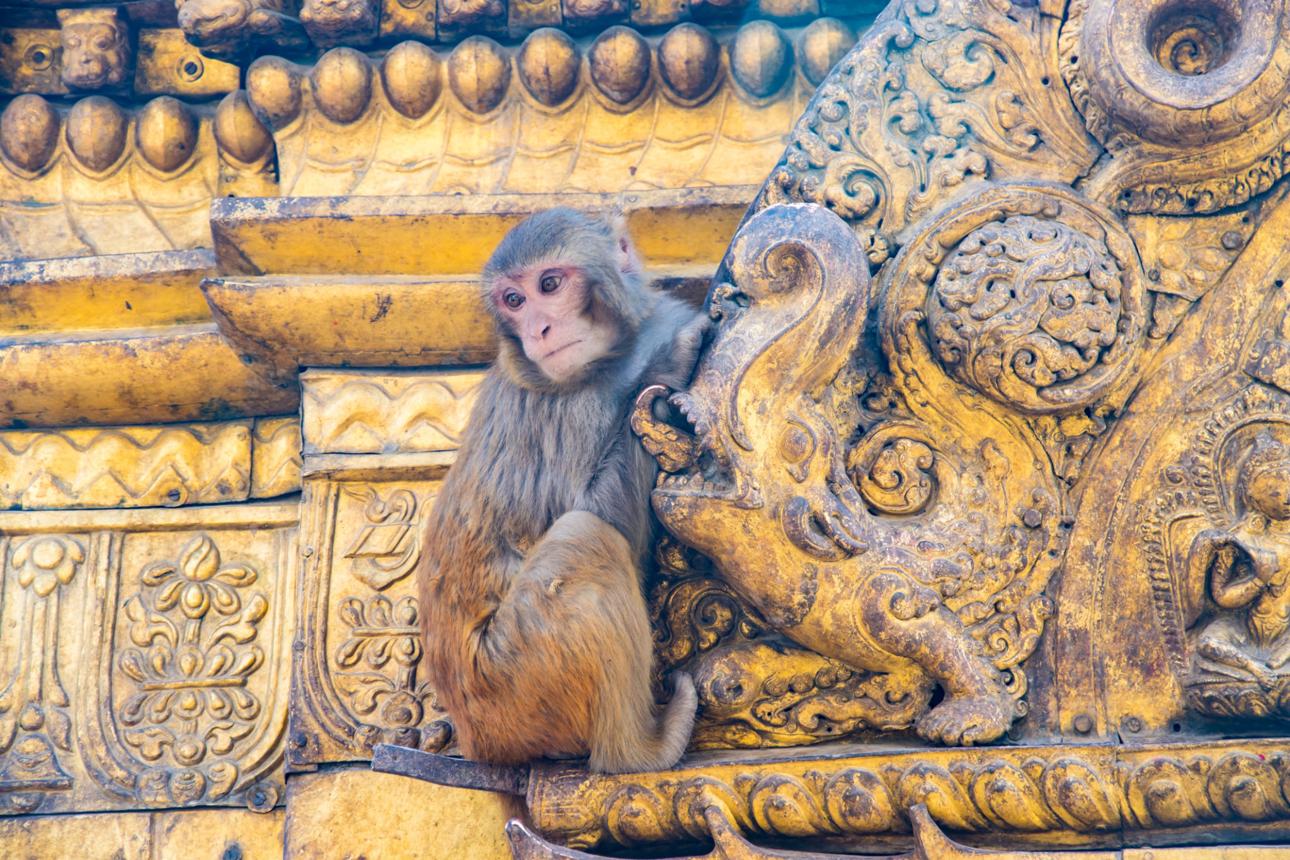
The famous Monkey Temple — one of the oldest religious sites in Nepal. Hundreds of monkeys roam the golden carvings. The eyes of Buddha watch over the Kathmandu Valley.
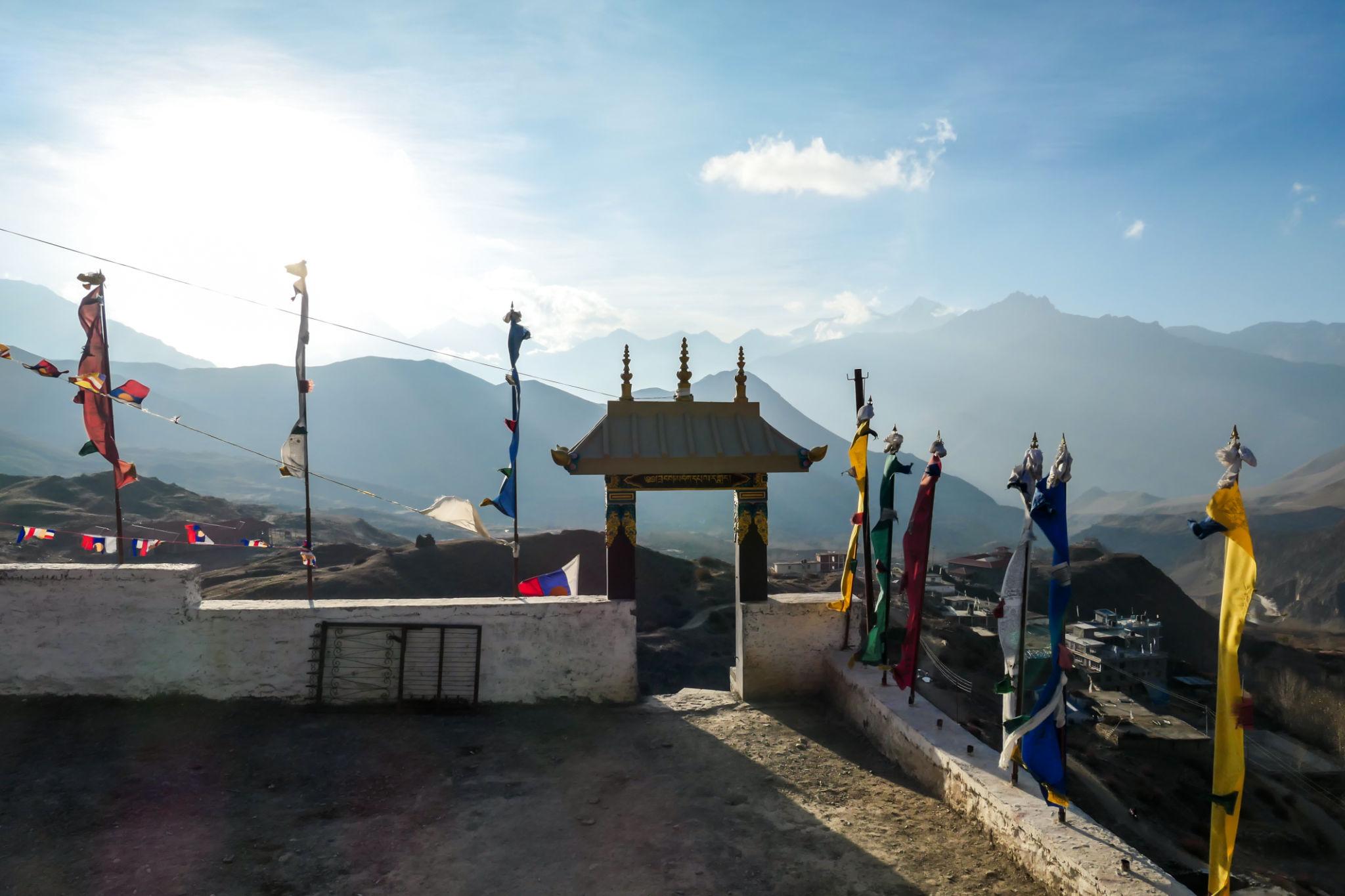
The forbidden kingdom. High-altitude desert landscapes, Tibetan Buddhist monasteries, prayer flags, and ancient cave cities. One of Nepal's most remote and mystical destinations.
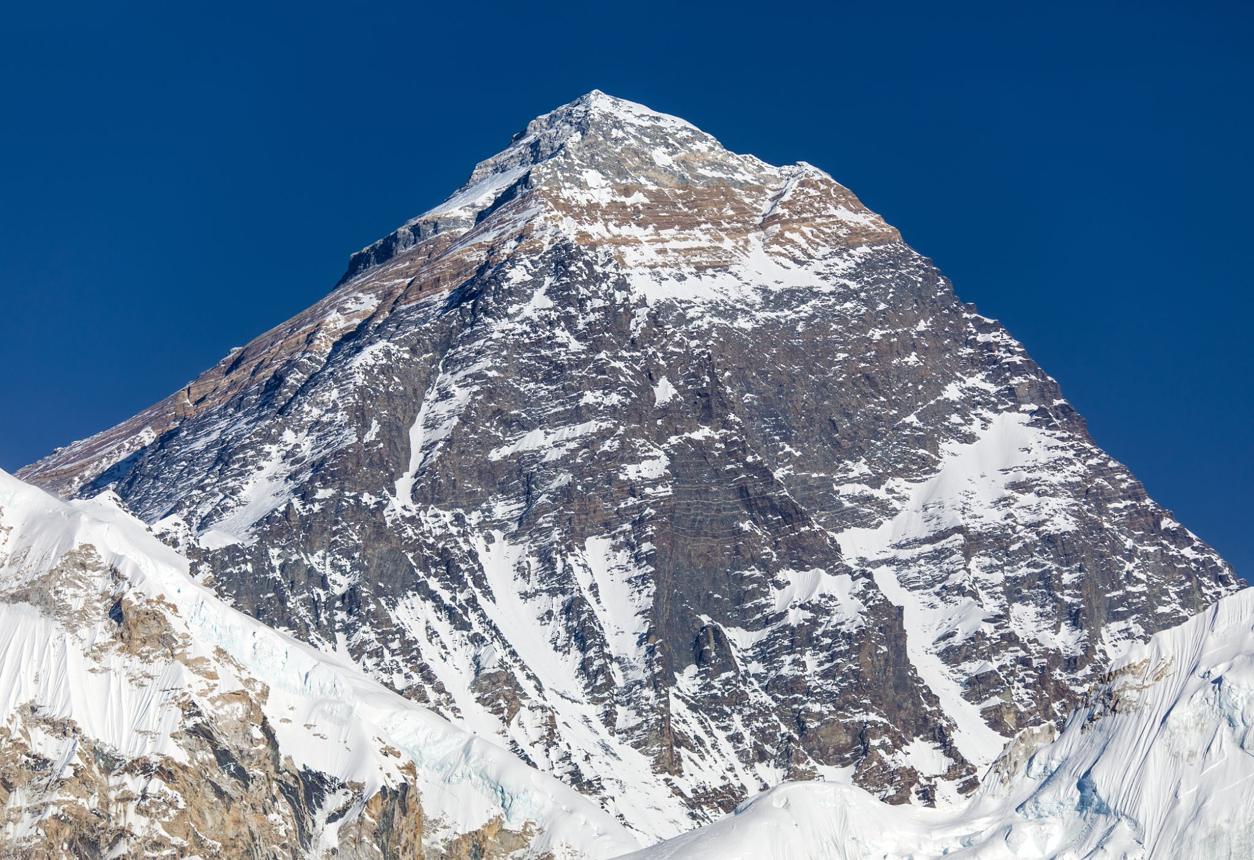
Sagarmatha — the peak that touches the sky. At 8,849m, the world's highest mountain is Nepal's greatest treasure. Visible from Namche and Kala Patthar on the EBC trek.
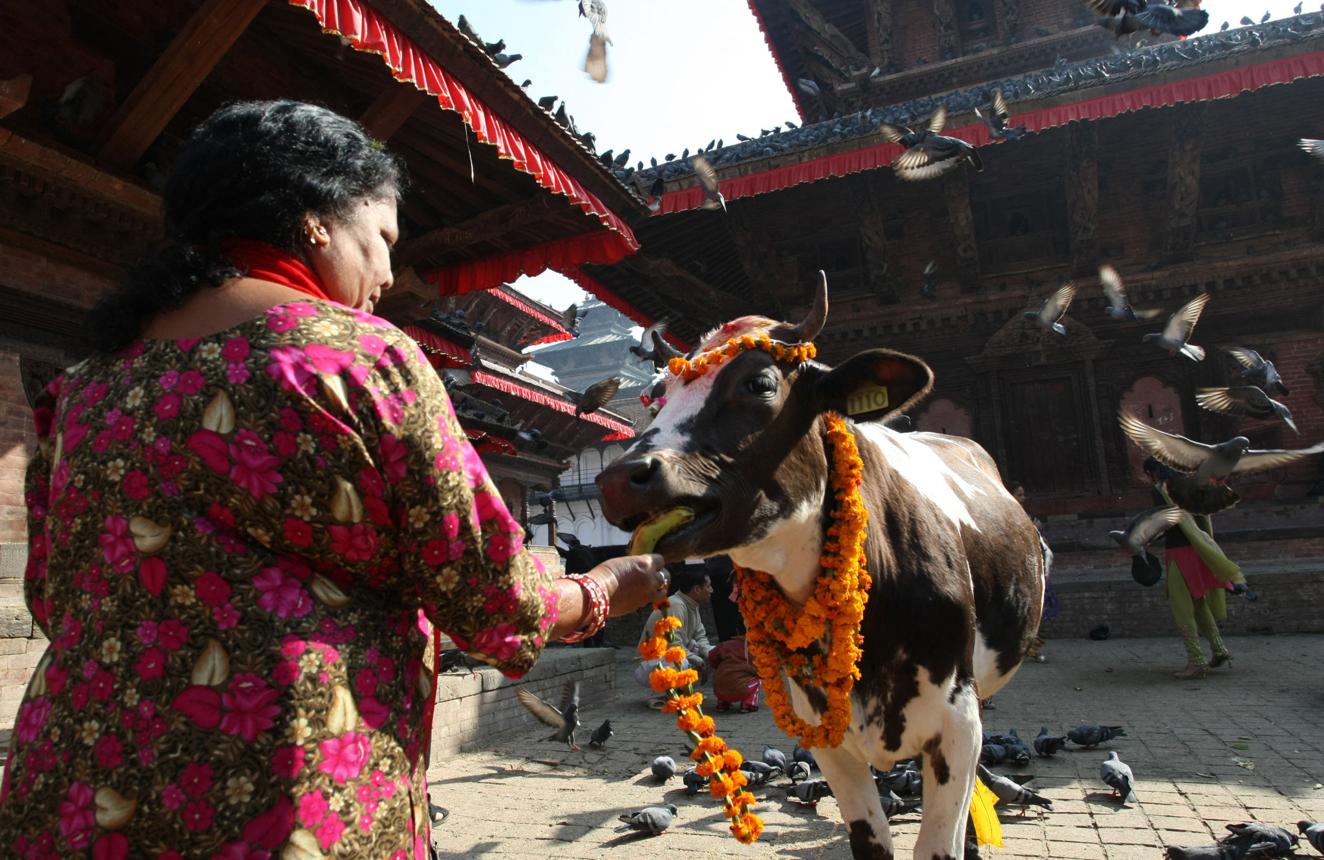
The medieval city of devotees. Sacred cows adorned with marigold garlands, ancient temples, traditional Newari festivals, and cobblestone streets frozen in the 12th century.
Culture & Traditions
126 ethnic groups, 123 languages, one shared identity. Hindu temples and Buddhist stupas share the same skyline — sometimes the same courtyard.
Nepal is the birthplace of Lord Buddha and home to Pashupatinath, one of Hinduism's holiest sites. Two faiths have coexisted here for centuries, often at the very same shrines.
The indigenous people of the valley, known for intricate wood carving, pottery, and a distinct cuisine. Bhaktapur and Patan are living museums of Newari architecture.
World-renowned as elite Himalayan mountaineers and guides. Their Tibetan Buddhist traditions and hospitality define the trekking experience.
Intricate Buddhist scroll painting, vivid Mithila wall art from the Terai, and hand-woven Pashmina — living traditions still practiced today.
Traditional dress remains symbolic of national identity, worn especially during festivals, weddings, and ceremonies across generations.
Nepali is official, but Maithili, Bhojpuri, Tamang, Newari and dozens more are spoken across regions — each with its own literature and oral tradition.
Food & Cuisine
Comfort food with altitude — unlimited dal bhat fuels farmers and trekkers alike, while Tibetan-influenced momos and spicy Terai curries shift with the landscape.
Lentil soup, rice, vegetable curry and pickle — refilled until you're full. "Dal Bhat Power, 24 Hour" is a trekking legend for a reason.
Steamed or fried dumplings filled with buffalo, chicken or vegetables, served with spicy tomato achar. Found on every street corner in Kathmandu.
Thukpa noodle soup warms trekkers at altitude. In the valley, Newari Bhoj feasts feature choila and bara.
A rich, caramelized curd from Bhaktapur, traditionally set in clay pots. A must-try dessert and point of local pride.
A ring-shaped, slightly sweet rice-flour donut, deep-fried and traditionally made for Tihar and other celebrations.
Influenced by Indian cuisine, with dishes like litti chokha and curries spicier than those of the hill regions.
Festivals & Celebrations
Hindu, Buddhist and indigenous celebrations overlap all year — turning streets into processions, homes into feast halls, and cities into color.
The biggest festival of the year — up to 15 days celebrating the goddess Durga's victory over evil. Elders bless the young with tika on the forehead.
The festival of lights. Five days honoring crows, dogs, cows, and the bond between brothers and sisters (Bhai Tika), lit with oil lamps and marigolds.
The festival of colors — powder, water balloons, and strangers turning friends for a day, celebrated with joyous chaos nationwide.
A Kathmandu Valley festival honoring the god of rain, featuring the Living Goddess Kumari paraded through the streets in a chariot.
Celebrates the birth of Lord Buddha in Lumbini. Monasteries like Boudhanath and Swayambhunath are lit with butter lamps and prayer flags.
Tibetan/Sherpa New Year, celebrated in mountain communities with dance, feasting, and monastery rituals.
Sample Trip Plan
A relaxed but complete first-timer's route through Nepal's two most iconic cities — mountains, lakes, temples, and a cable car ride, all in under a week.
Want help planning something like this?
✉️ Get In TouchPlan Your Budget
Get a rough estimate for your Nepal trip based on group size, length, and travel style.
This is a rough estimate for planning purposes only — actual costs vary by season, provider, and choices. Not a booking or payment tool.
Before You Go
Everything you need to plan your perfect Nepal trip.
Most nationalities: $30 (15 days), $50 (30 days), $125 (90 days) at Kathmandu Airport.
Nepali Rupee (NPR). ATMs in Kathmandu & Pokhara. USD accepted in tourist areas.
Acclimatize slowly above 3,000m. Stay hydrated. Consider Diamox for high altitude treks.
Spring (Mar–May) and Autumn (Sep–Nov) — clear skies, perfect for trekking and festivals.
Dal Bhat (unlimited refills!), momos, thukpa noodle soup, Juju Dhau yogurt, sel roti.
Layers for temperature changes, hiking boots, modest clothing for temples, sunscreen.
Cast Your Vote
Which place do you think every traveller should visit first? Vote below — one vote per visitor.
Your Voice
Know a hidden gem in Nepal? Share it with a photo — approved suggestions get featured right here on the site.
Community Picks
Loading community suggestions...
Real photos from across Nepal's landscapes, temples, wildlife and culture
Get In Touch
Have a question about Nepal? Want to contribute a story or photo? We'd love to hear from you!